Cairo's Job Market Shifts: What Businesses Need to Know Right Now
As inflation pressures mount and remote work reshapes talent demands, Cairo's employers face a critical hiring crossroads in 2026.
As inflation pressures mount and remote work reshapes talent demands, Cairo's employers face a critical hiring crossroads in 2026.

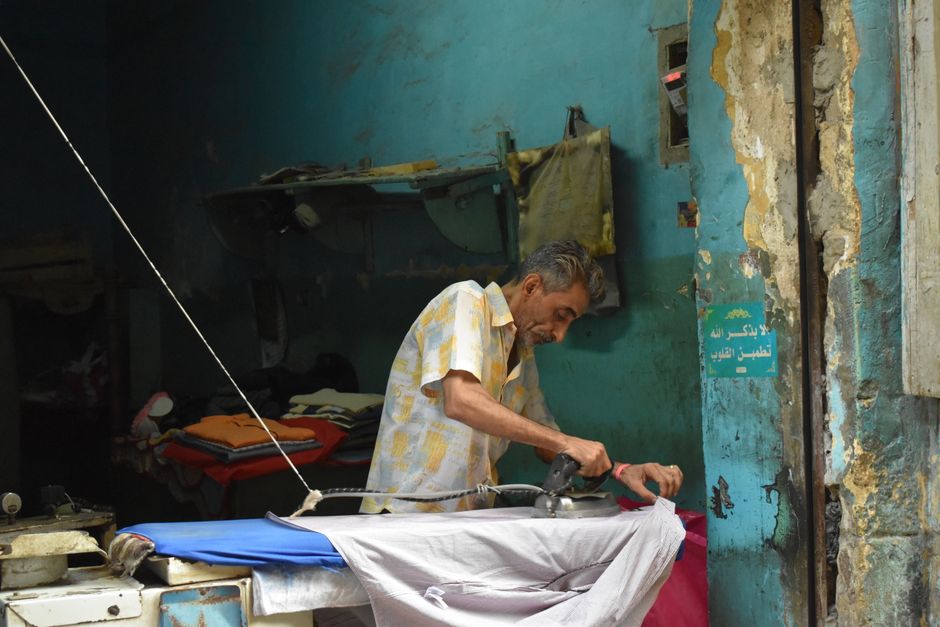
Cairo's employment landscape is undergoing a quiet but significant transformation. After two years of post-pandemic recovery, businesses operating across Downtown Cairo, New Cairo, and the emerging tech hubs in Sheikh Zayed City are grappling with wage pressures, skills mismatches, and unexpected competition for talent from the gulf.
The numbers tell a cautious story. Unemployment in Greater Cairo has hovered around 7.2%, according to recent labour ministry data, but this masks deeper structural challenges. Professional recruitment firms operating from offices along Zamalek's leafy streets report that mid-level positions in finance, engineering, and digital marketing are taking 40% longer to fill than they did in 2024. Meanwhile, entry-level candidates are increasingly demanding remote or hybrid arrangements—a shift that many traditional Egyptian firms are still resisting.
"We're seeing a bifurcation," explains the employment research sector, which has tracked Cairo's job postings across major platforms. Tech-forward companies in areas like New Administrative Capital and New Cairo are attracting talent with competitive packages and flexible working models. Traditional manufacturing and services firms in industrial zones like Helwan and 6th of October City are struggling to compete.
Wage expectations have jumped notably. Starting salaries for university graduates in Cairo have risen 18-22% compared to 2024, driven partly by inflation but also by increased emigration of skilled workers seeking opportunities abroad. Businesses in Nasr City's corporate parks report losing junior staff to positions in the UAE and Saudi Arabia within months of hiring.
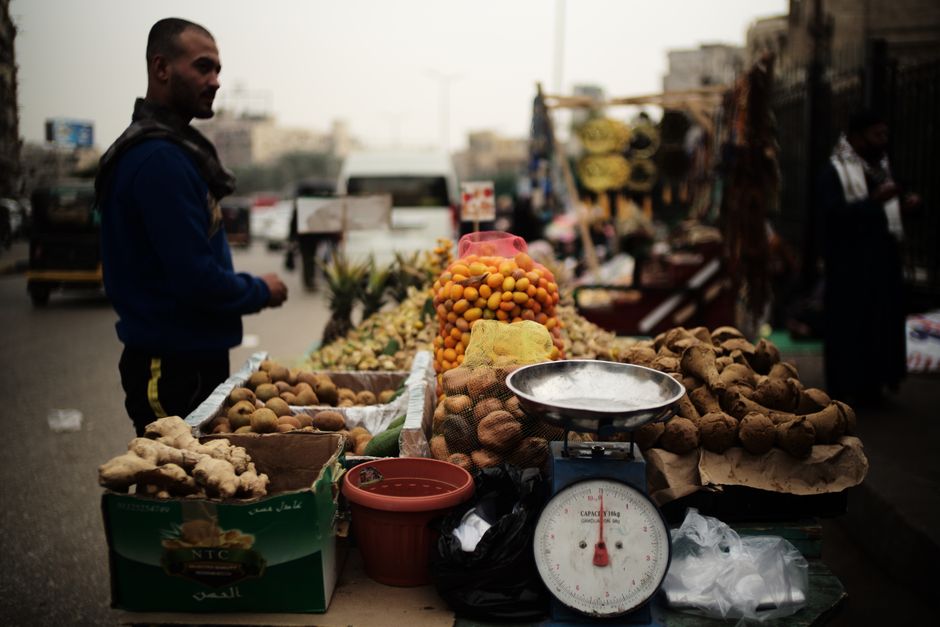
The hospitality and retail sectors, concentrated around Tahrir Square and Khan El-Khalili's periphery, face acute challenges. Seasonal employment has become less predictable as both domestic and international tourism patterns remain volatile. Restaurant and hotel groups are reporting turnover rates exceeding 35% annually.
For businesses, the implications are clear: compete on benefits and flexibility, or invest heavily in training local talent. Companies that successfully navigated 2025's economic uncertainties are now doubling down on upskilling programmes and retention incentives. Some enterprises along the Nile Corniche corridor have begun offering productivity bonuses and professional development allowances to reduce attrition.
The message to Cairo's employers is straightforward: the days of abundant, passive labour pools are fading. Businesses that understand market trends—and adapt recruitment strategies accordingly—will capture talent. Others risk being left behind.
This article was compiled by AI and screened before publishing. See our editorial standards.
How does this story make you feel?
Spread the word
About this article
Published by The Daily Cairo
Daily brief
Free, in your inbox before 7am. Weekdays.
More in Business