Cairo's Tourism Rebound: Early Winners in a Reopening City
As visitor numbers surge past pre-pandemic levels, boutique hotels, heritage guides, and creative districts are capitalizing on global appetite for Egyptian experiences.
As visitor numbers surge past pre-pandemic levels, boutique hotels, heritage guides, and creative districts are capitalizing on global appetite for Egyptian experiences.
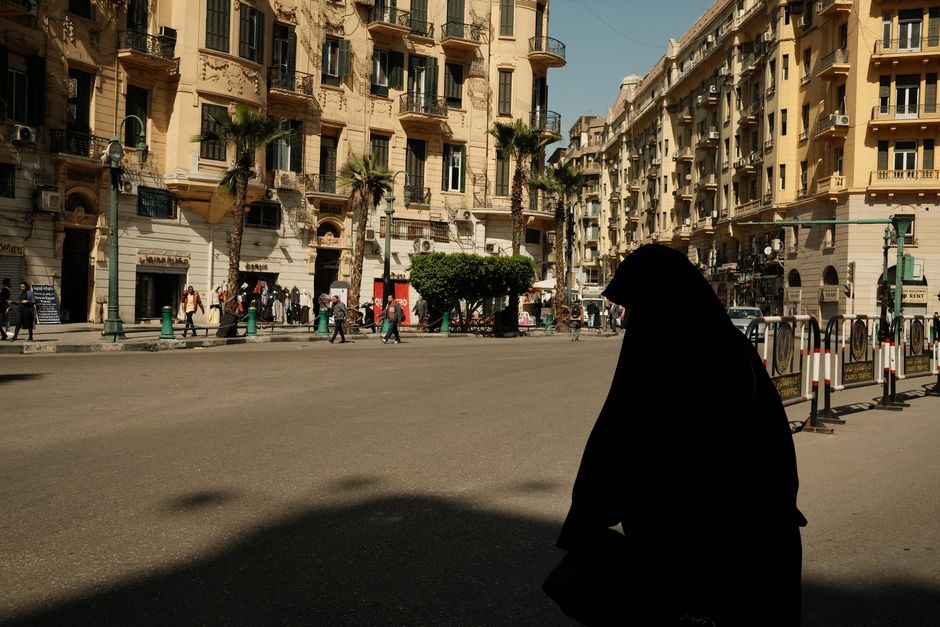
Cairo's tourism sector is experiencing a sharp acceleration that's reshaping the city's economic landscape. International arrivals have climbed 34 percent year-over-year through the first half of 2026, according to preliminary Ministry of Tourism figures, with hospitality operators and experience-based businesses reporting bookings at their highest levels in over a decade.
The beneficiaries tell a revealing story about where post-pandemic travel appetite is concentrated. While mega-hotels along the Nile Corniche remain solid performers, the real momentum lies in smaller, curated ventures. Boutique hotel operators in Islamic Cairo have seen occupancy rates exceed 78 percent, nearly double the 2021 average. Properties clustered around Khan el-Khalili and the historic neighbourhoods of Sayyida Zeinab are commanding premium rates—some charging $180-250 per night compared to $95-120 five years ago—precisely because travellers increasingly seek authenticity over standardized luxury.
Heritage tour operators report their strongest demand in years. Small-scale guides specializing in Coptic Cairo, Ottoman architecture, and lesser-known archaeological sites are fully booked through September. One established firm operating from Zamalek has expanded its roster from eight guides to twenty-three to manage demand. Day rates have climbed to $65-80 per person for small groups, up from $40-50 in early 2024.
The creative economy is another unexpected winner. Maadi's artistic quarter—home to galleries, design studios, and independent cafes—has become a secondary draw for affluent visitors seeking to engage beyond conventional pyramids-and-temples itineraries. Studio owners and cafe proprietors report foreign customers now comprise 35-40 percent of their clientele, up from roughly 15 percent two years ago. Souk el-Fustat, the craft marketplace near the Citadel, has similarly benefited, with artisan vendors noting sustained purchases from overseas visitors willing to pay 20-30 percent premiums for handmade goods.
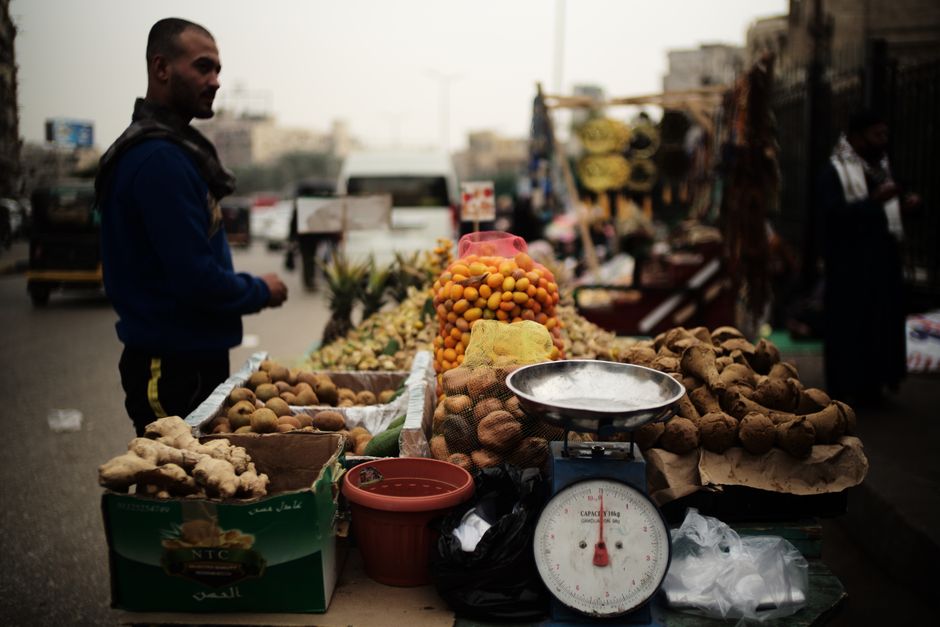
Food tourism has emerged as an unexpected lever. Cooking classes in Garden City and chef-led market tours in Bulaq have waiting lists extending six weeks. Restaurants emphasizing Egyptian culinary heritage rather than international cuisine are experiencing higher occupancy and stronger per-table spending.
The expansion isn't without friction. Taxi and transportation services struggle to accommodate surges, and several heritage sites report crowd management challenges. Infrastructure pressures highlight a critical question: whether Cairo's tourism boom can be sustained and distributed equitably across operators and neighbourhoods, or whether it will concentrate wealth among a narrow band of established players.
For now, the opportunity remains broad. Investors and entrepreneurs with even modest local expertise are finding receptive market conditions that rarely align outside boom cycles.
This article was compiled by AI and screened before publishing. See our editorial standards.
How does this story make you feel?
Spread the word
About this article
Published by The Daily Cairo
Daily brief
Free, in your inbox before 7am. Weekdays.
More in Business