What Cairo's Street Vendors Tell Us About Egypt's Investment Climate Right Now
As foreign capital flows shift, small entrepreneurs in Khan El-Khalili and beyond are reading the tea leaves on what comes next.
As foreign capital flows shift, small entrepreneurs in Khan El-Khalili and beyond are reading the tea leaves on what comes next.

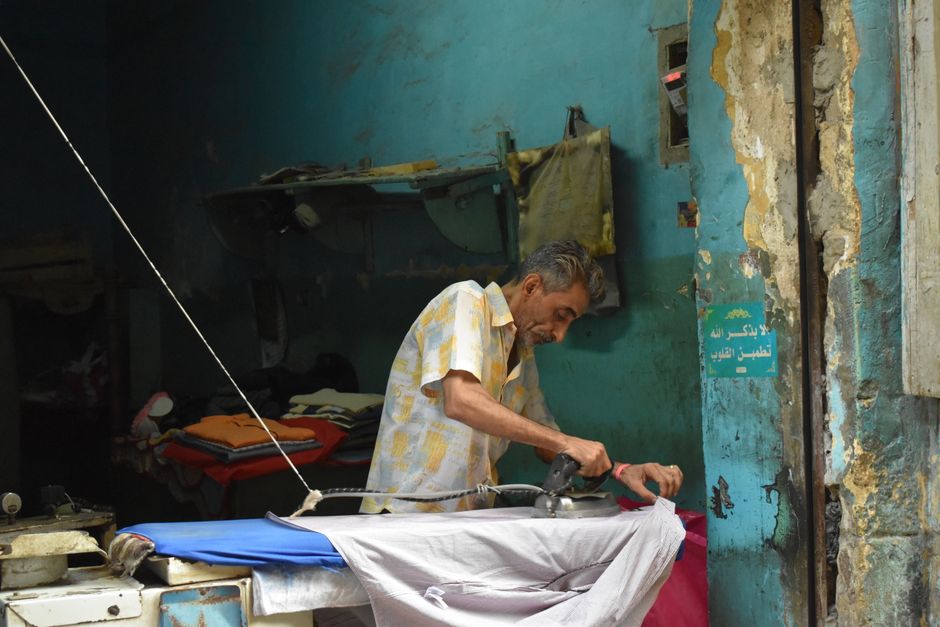
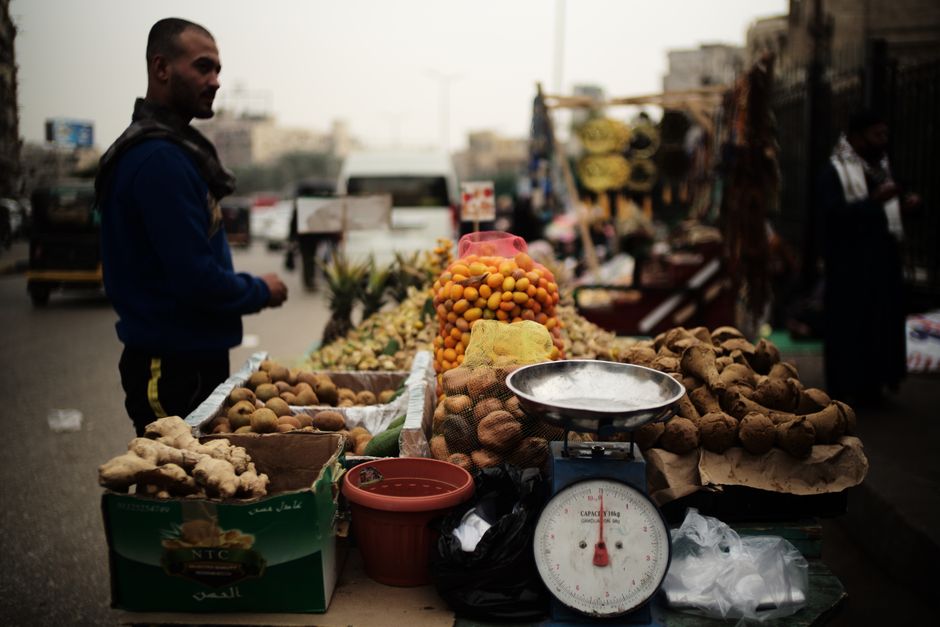
Walk through the narrow lanes of Khan El-Khalili on any Tuesday morning, and you'll encounter Cairo's real economic barometer: the spice merchant adjusting prices, the textile seller renegotiating with suppliers, the café owner calculating his margins. These aren't abstract economic actors—they're the frontline observers of investment flows and market sentiment that official GDP figures sometimes miss.
Egypt's Central Bank of Egypt reported a 2.7 per cent quarterly growth rate in Q1 2026, but what tells a starker story is the currency fluctuation hitting small importers along Mohamed Mahmoud Street. The Egyptian pound has experienced volatility tied to international investor appetite for Egyptian government bonds. When foreign institutional investors—particularly Gulf funds and European asset managers—reduce holdings, the ripple effects reach the neighbourhood level within weeks.
Hany Ibrahim, who runs a textile dyeing operation in the Helwan industrial zone, watches the Central Bank's dollar auction results the way other people check weather forecasts. "When they announce less dollar supply, I know my input costs are rising," he explained during a recent conversation. His business exemplifies the mechanics: imported chemical dyes cost him roughly 15 per cent more than they did eighteen months ago, a direct consequence of capital outflow pressures on foreign exchange reserves.
Yet there are bright spots. The New Administrative Capital's construction boom has redirected investment toward industrial suppliers and logistics operators. The Egyptian Ministry of Planning reported that infrastructure-linked SME activity grew 4.1 per cent in the first half of 2026. Entrepreneurs operating in supply chain services—warehousing, transport coordination, materials handling—are experiencing stronger margins than their retail counterparts.
The Central Bank's recent decision to maintain the policy rate at 19.25 per cent reflects its attempt to stabilize capital flows while controlling inflation. For small business owners, this translates to borrowing costs that remain punitive. Bank credit to the private sector grew only 1.8 per cent year-on-year, signalling that traditional financing routes remain constrained for entrepreneurs without substantial collateral.
What's emerging is a bifurcated market: businesses positioned to capture infrastructure-driven demand are thriving, while traditional retail and import-dependent sectors face margin compression. The Suez Canal revenues remain robust—$9.4 billion projected for 2026—sustaining government stability, but that macroeconomic strength hasn't yet cascaded into easier credit conditions for Cairo's street-level entrepreneurs.
The message to small business operators is clear: monitor investment flows, not just headline growth rates. They're reading the same signals that shape your survival.
This article was compiled by AI and screened before publishing. See our editorial standards.
How does this story make you feel?
Spread the word
About this article
Published by The Daily Cairo
Daily brief
Free, in your inbox before 7am. Weekdays.
More in Business